



Where Should You Not Use a Foam Roller? Safety Tips

Where should you not use a foam roller?
Avoid rolling directly over your neck, lower back, joints, and prominent bones. Keep the roller on the fleshy parts of your muscles, and skip any area that is injured, swollen, bruised, or unusually painful. Foam rolling should feel like manageable pressure, not sharp pain.
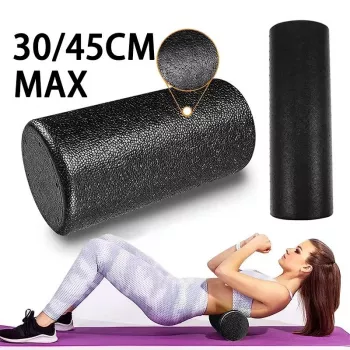
Our team recommends starting gently, especially if you are new to foam rolling. You can find more guidance on choosing and using a roller in our EPP foam roller guide for yoga and Pilates.
Why should you avoid the neck and lower back?
Direct pressure on the neck can irritate sensitive structures, while rolling across the lower back may encourage excessive arching or place uncomfortable pressure on the spine. Instead, work on nearby muscles, such as the glutes and upper back, using a slow, controlled motion.
When rolling your upper back, support your head with your hands and keep your ribs from flaring. Stop before the roller reaches your lower back.
Can you roll over joints or bones?
Do not roll directly over your knees, elbows, ankles, hips, or the bony points of your spine. A roller cannot loosen a joint, and pressure on these areas can be uncomfortable or irritating. Roll the surrounding muscle instead, stopping short of the joint.
For example, when rolling your thighs, stay on the muscle between your hip and knee rather than passing over either joint. If the outside of your thigh is particularly tender, use light pressure and avoid forcing the roller into the bony side of your hip.
What about injured or sensitive areas?
Skip open wounds, bruises, burns, areas with a rash, and spots with significant swelling. Avoid rolling directly over varicose veins or an area where you suspect a blood clot. Sudden swelling, warmth, or pain in one leg warrants prompt medical attention rather than foam rolling.
If you have a recent injury, fracture, osteoporosis, nerve symptoms, or a medical condition that affects circulation, ask a healthcare professional whether foam rolling is appropriate for you.
How much pressure should you use?
Begin with light pressure and move slowly over a comfortable area of muscle. Use your hands and the opposite leg to control how much body weight rests on the roller. Ease off or stop if you feel sharp pain, tingling, numbness, or pain that persists afterward.
FAQ
How long should you foam roll a muscle?
Start with about 30 to 60 seconds on a muscle group, using slow movements and comfortable pressure. You can adjust the time based on how your body responds, but more pressure or longer sessions are not necessarily better.















Leave a comment