



How to Use an EPP Foam Roller for Yoga and Pilates
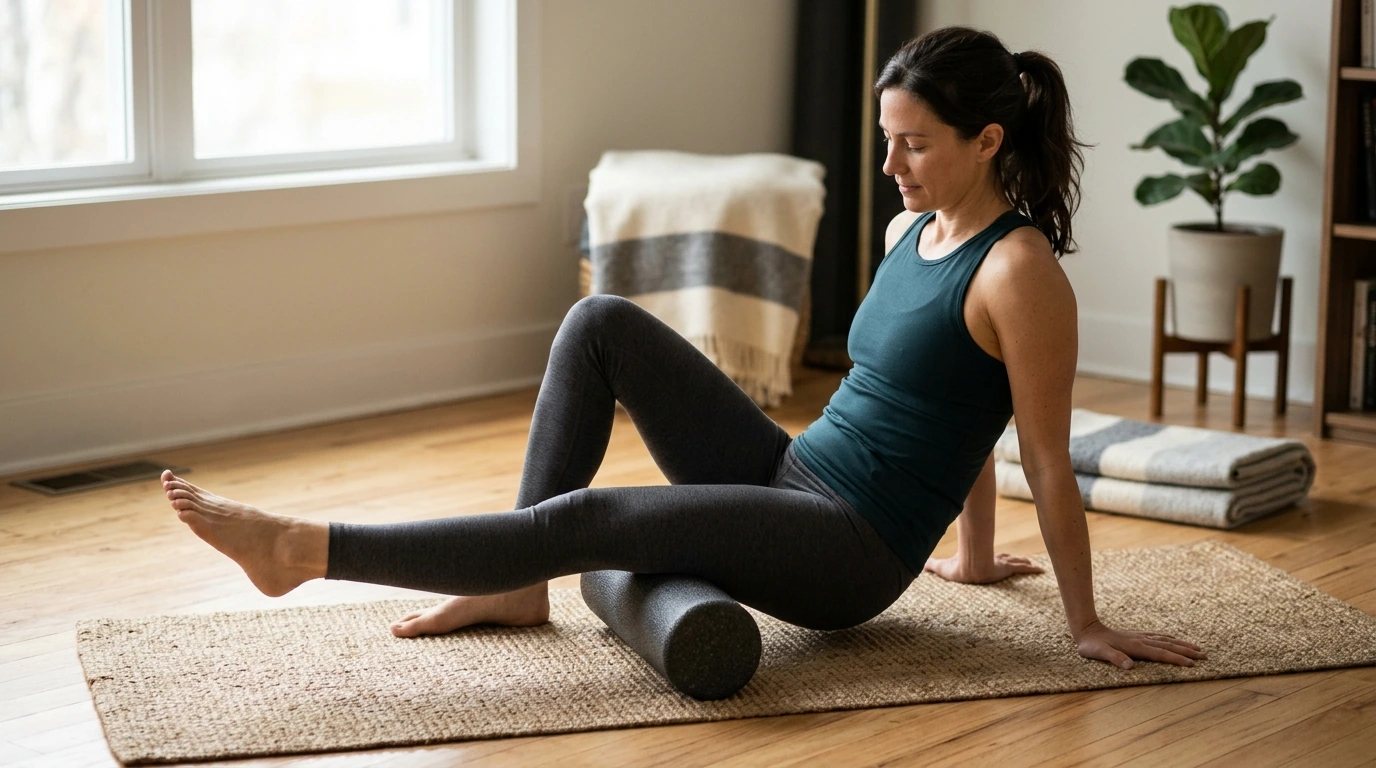
A foam roller can make a few minutes before or after movement feel more intentional. Our EPP Foam Roller for Yoga, Pilates, and Full-Body Muscle Recovery gives you a way to apply and adjust pressure across several muscle groups. Whether you practice yoga, take a Pilates class, work out, or simply want to unwind after a long day, the key is to start gently and pay attention to how your body responds.
Where a foam roller fits into your routine
Rolling is a form of self-massage: your body weight supplies pressure while your hands and feet help you control it. It can be a useful addition to a routine, but it does not replace a warm-up, stretching, or care from a qualified professional when you need it.
Before yoga or Pilates, try a brief, comfortable pass over a muscle group that feels tight. Treat it as a check-in rather than a task to complete: notice how the area feels, then move into easy active movements appropriate for your session. If your plans include a walk or other time on your feet, comfortable footwear matters too; our Diadora Men’s Sneakers are another option to explore for that part of your routine.
After activity—or after hours in one position—you might prefer slower rolling with unhurried breathing. Keep expectations practical. You do not need to press hard or cover every muscle, and rolling should not be relied on to prevent soreness or speed the healing of an injury.
A practical full-body starting routine
Set the roller on a stable floor where you have room to reposition. Begin with light pressure and slow movement. Your hands and feet are useful supports, not an afterthought: putting more weight through them takes weight off the roller. Breathe steadily rather than holding your breath as you move.
Try a short pass on one area, pause, and decide whether the pressure feels comfortable. You can adjust your position, use less weight, or move on. Stay on muscle rather than rolling directly over joints or bony areas, and do not repeatedly bear down on a spot that hurts.
Simple ways to approach each area
| Area | Starting position | Pressure tip |
|---|---|---|
| Calves | Sit with one calf resting on the roller. | Keep your other foot on the floor to help control your weight. |
| Thighs | Support yourself with your hands or forearms to reach the front or side of a thigh. | Move over a small section at a time; ease off if pressure feels sharp. |
| Glutes | Sit on the roller with your hands behind you for support. | Shift your weight gradually instead of leaning heavily all at once. |
| Upper back | Lie with the roller beneath your upper back and your feet on the floor. | Keep movements controlled and avoid rolling onto your neck. |
You do not have to use every position in one session. Choose an area you can reach comfortably and give yourself space to change positions without rushing. If supporting your weight makes a position awkward, skip it; a simpler, more comfortable approach is more useful than forcing a full-body circuit.
Pair rolling with yoga and Pilates
For a pre-session sequence, start with a little light rolling, then transition to active movements that match what you are about to do. Before a yoga practice, that could mean gentle, familiar movements that let you ease into your range of motion. Before Pilates, follow the warm-up planned for your class or workout instead of treating the roller as a replacement.
Afterward, you can keep things quieter. Try comfortable rolling, relaxed breathing, and gentle stretches you already know feel good. There is no prize for using more pressure: a routine you can perform comfortably and consistently is a better starting point than one you have to brace yourself to finish.
Our team sees the roller as one part of a broader movement routine, alongside appropriate activity and rest. For general guidance on staying active, you can explore the NHS exercise resources and the American Academy of Orthopaedic Surgeons’ staying-healthy resources.
Know when to ease off
Pressure may feel noticeable, but sharp pain is a signal to stop. Stop as well if you experience tingling, numbness, or discomfort that worsens while you roll. Reduce your weight on the roller or leave that area alone rather than trying to push through it.
Avoid rolling over areas that are injured, swollen, or irritated. If you have a medical condition, a recent injury, or uncertainty about whether rolling is safe for you, ask a qualified healthcare professional for guidance. When it feels appropriate, you can explore our roller as a simple addition to a balanced movement and recovery routine—not a requirement for it.
FAQ
Can I use a foam roller before yoga or Pilates?
Yes, if rolling feels comfortable. Keep it brief and gentle, then move into an appropriate warm-up for your session.
Should foam rolling hurt to be effective?
No. Use your hands or feet to reduce pressure, and stop if you feel sharp pain, tingling, or numbness.
Which parts of the body should I avoid rolling directly?
Avoid direct pressure on joints, the neck, and bony areas. Focus on muscles, and seek professional advice if you have an injury or health concern.















Leave a comment