


HEPA Purifier Drawbacks: Noise, Filter Costs, and Ozone
What are the negative side effects of HEPA air purifiers?
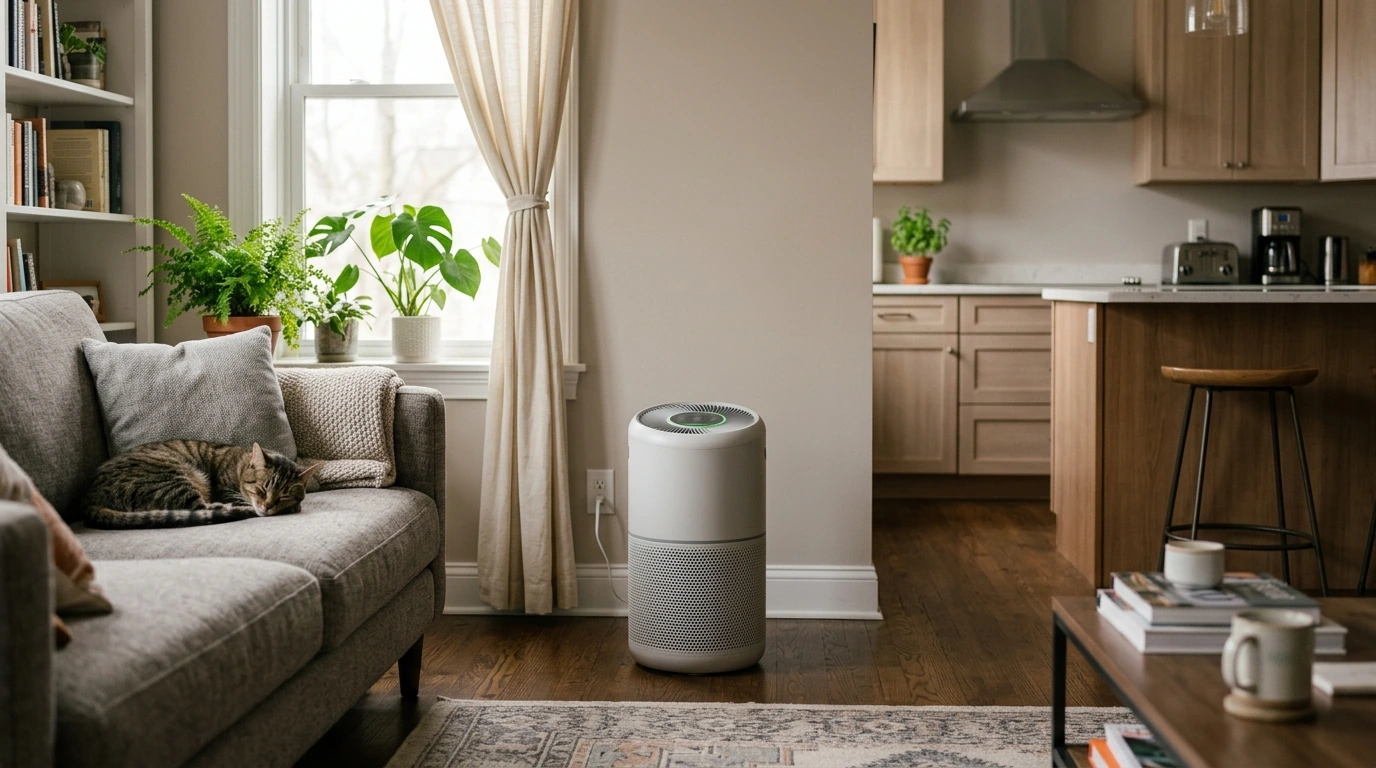
A HEPA air purifier can help reduce airborne particles, but using one may come with practical drawbacks. The most common are operating noise, ongoing filter costs, and the need to clean or replace filters. These are usually manageable when you choose a unit suited to your room and follow its care instructions.
Can a HEPA purifier cause breathing problems or dry out the air?
A standard mechanical HEPA filter does not add chemicals to the air or remove moisture, so it should not dry out a room. Some people may find a strong stream of air uncomfortable, especially when the purifier is pointed directly at them. Try a lower fan setting or reposition the unit if its airflow bothers you.
Can an air purifier produce ozone?
The HEPA filter itself does not produce ozone. However, some purifiers include ionizing or other air-cleaning features that may generate ozone. If you want to avoid that concern, choose a model without ozone-producing features and review the product’s safety information before use.
Are noise and running costs drawbacks?
Purifiers can make noticeable fan noise, particularly at higher speeds. They also use electricity and require replacement filters, so consider both the sound level and the cost of ongoing filter changes when choosing a unit. Running the purifier at a lower setting may reduce noise, though it can also reduce how quickly air moves through the filter.
Can poor maintenance create problems?
A clogged filter can restrict airflow and make the unit less effective. Follow the manufacturer’s directions for cleaning and replacement, and turn the purifier off before handling a filter. Avoid shaking a used filter; bag and dispose of it as directed to limit dust from escaping during removal.
How can you reduce these drawbacks?
Choose a purifier appropriate for your room, place it where air can circulate, and use a fan setting that balances comfort with performance. Keep up with filter care and avoid models with features you do not need. For help comparing HEPA and carbon filtration for dust, odors, and smoke, read our HEPA and carbon air purifier guide.
FAQ
How often should you replace a HEPA filter?
Replacement timing varies by purifier, filter, and household conditions. Follow the manufacturer’s schedule and replace the filter sooner if its indicator signals a change or airflow becomes restricted.













Leave a comment