



The Long-Game Mindset: Build Lasting Growth
Big goals can make quick results tempting. Yet meaningful progress often comes from small actions repeated over time, with room to adjust when circumstances change. A long-game mindset shifts your attention from finding a shortcut to building a pace you can sustain.
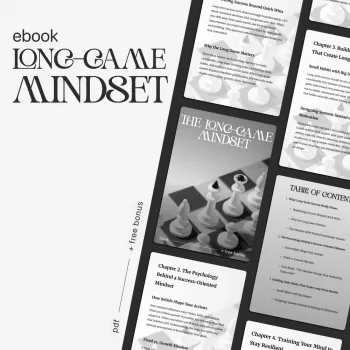
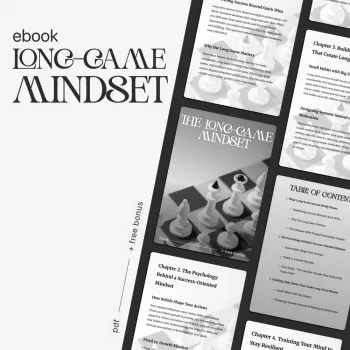
Our ebook, The Long-Game Mindset, is an option for readers interested in long-term success, sustainable growth, and resilience. Whether your goal is personal or professional, you can start by focusing on the next useful step rather than expecting everything to change at once.
What It Means to Play the Long Game
Chasing an immediate result can be helpful when a deadline is real, but it can also encourage decisions that are difficult to maintain. For example, practicing a new skill for hours every day might produce an early burst of progress, but that schedule may compete with work, family, or rest.
A longer-term approach asks a different question: What can you keep doing after the initial excitement fades? Patience gives progress time to accumulate, consistent action keeps you engaged, and adaptability helps you respond when your original plan no longer fits.
This does not mean ignoring results or accepting a plan that is not working. It means treating feedback as information rather than a reason to give up. If you want to explore these ideas further, The Long-Game Mindset offers an ebook option centered on long-term success and resilience.
Turn Ambition Into Sustainable Action
Start with a goal that matters to you, then make it specific enough to guide your choices. “Grow in my career” might become “develop the presentation skills I need for my next role.” From there, choose manageable actions, such as practicing a short presentation once a week or asking a colleague for feedback.
Use the same principle when learning a skill. If you want to learn a language, a short practice session several days a week may fit your schedule better than an ambitious routine you abandon after a month. The right pace is one you can revisit and adjust as your life changes.
| Situation | Short-term reaction | Long-game approach |
|---|---|---|
| Progress feels slow | Abandon the goal | Review the plan and adjust the next step |
| Motivation fades | Wait for inspiration | Choose a manageable routine |
| A setback occurs | Treat it as failure | Reflect and try an adjusted approach |
Reviewing your plan regularly helps you distinguish a slow but workable process from one that needs to change. The American Psychological Association’s guidance on making a plan for healthy change offers additional ideas for setting goals and building habits.
Build Resilience When Plans Change
Resilience is not about avoiding every setback. It is about finding ways to adapt when something disrupts your progress. A missed opportunity, a busy season, or an unexpected expense may require a different plan without making your goal meaningless.
When you feel stuck, pause and ask yourself:
- What changed, and how does it affect my original plan?
- What can I control right now?
- What is one reasonable next step?
Your next step might be smaller than the one you originally planned. It might also be taking a break or asking someone you trust for support. Rest and connection can be part of a sustainable approach, not signs that you have stopped trying. For more perspective, see the American Psychological Association’s resource on building resilience.
Is The Long-Game Mindset Right for You?
If you want to explore a more patient approach to personal or professional goals, our team offers Explore The Long-Game Mindset ebook for $16.99. Before purchasing, consider what you hope to work toward and whether an ebook suits the way you prefer to learn. You can read at your own pace and decide how to apply the ideas to your circumstances.
Practical routines can support your goals, too. If taking a walk is part of how you make space to reflect, our Diadora Men’s Sneakers are another option to consider. Choose footwear that feels comfortable for your intended activity rather than treating a purchase as a substitute for a workable routine.
Put a Long-Term Mindset Into Practice
Set aside a few minutes each week to check in with yourself. Note one action you took, one thing you learned, and one priority for the week ahead. If your plan felt too demanding, reduce the next step; if it felt manageable, continue or make a thoughtful adjustment.
Pay attention to consistency as well as outcomes. Completing three practice sessions may be worth recognizing even if you have not reached your larger goal. Results matter, but the actions behind them can show you whether your approach is sustainable.
Ready to give your goals a longer view? Explore The Long-Game Mindset and consider what steady progress could look like for you.
FAQ
What is a long-game mindset?
A long-game mindset prioritizes sustained progress toward meaningful goals over immediate results. It involves patience, consistent action, and a willingness to adapt.
How can I build resilience while pursuing a long-term goal?
Reflect on setbacks, identify what you can control, and adjust your plan when needed. Manageable routines, rest, and support from others can also help you continue.
Who might be interested in The Long-Game Mindset ebook?
The ebook may interest readers who want to explore long-term success, sustainable growth, and resilience in their personal or professional lives.
















Leave a comment