



Why Apple Watch Straps Cost So Much (And When to Save)
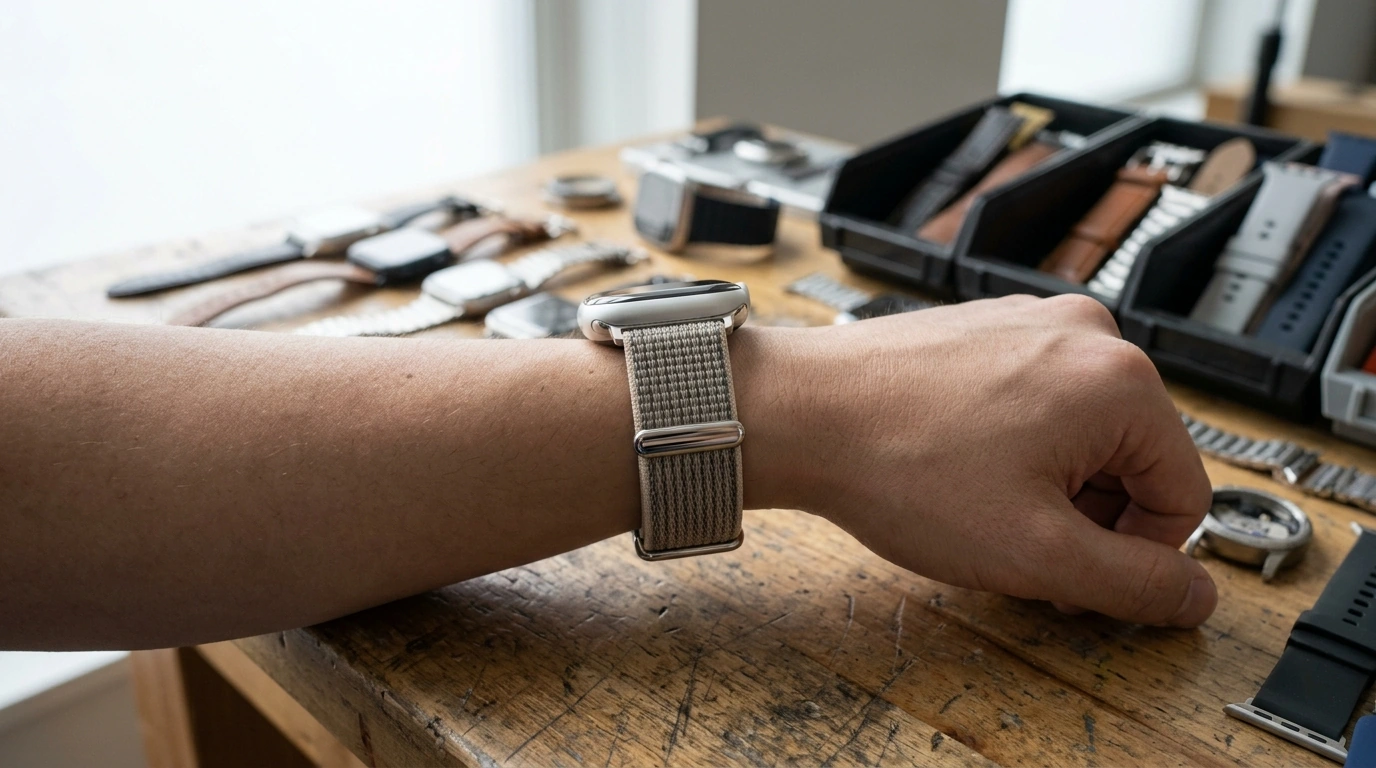
Why are Apple straps so expensive?
Apple straps often cost more because you’re paying for a combination of refined materials, consistent manufacturing, and a finish that’s designed to look and feel “right” on the wrist day after day. For many people, the band is the part of the Apple Watch they touch most—so the comfort, edges, closure, and long-term wear matter as much as the watch itself.
Material choices and finishing raise the cost
Higher-priced straps typically use better raw materials (like more uniform leather hides or premium elastomers) and more careful finishing. That can mean cleaner edge paint, smoother undersides, tighter stitching, and fewer weak spots that stretch or crack early. Our team sees the biggest difference over time: a well-finished strap tends to stay comfortable, keep its shape, and avoid rough edges that irritate skin.
Hardware, fit, and tolerances aren’t “small details”
Apple Watch bands rely on lugs that slide into the case and lock securely. Tight tolerances and quality hardware reduce wobble, misalignment, and accidental release. Better buckles and clasps also distribute pressure more evenly, so you don’t have to over-tighten the band just to feel secure.
Design consistency and comfort engineering
Many premium bands are engineered to flex and breathe in specific ways. For example, sport materials can be formulated to resist sweat and skin oils, while leather bands may be designed with lining and curvature that reduces pinching. If you rotate bands for work, workouts, and weekends, comfort-focused design can be worth the upcharge.
When a less expensive strap is still a good buy
If you’re building a rotation, it can make sense to invest in one “daily driver” band and use budget options for occasional looks. Just prioritize secure connectors, smooth edges, and a fit that doesn’t require cranking the band tight. For deeper guidance on choosing materials, getting the right fit, and keeping leather comfortable, visit our guide: Leather Strap for Apple Watch: Fit, Comfort & Care Guide.
FAQ
What’s the difference between leather and silicone Apple Watch bands for daily wear?
Leather usually feels warmer and looks more elevated for office or evening wear, while silicone is better for sweat, water, and quick cleanup. Many people use leather for all-day comfort and switch to silicone for workouts or humid days.
















Leave a comment