

Cat Houses Cats Actually Like: Caves, Beds & Materials
What kind of cat houses do cats like?
Cats tend to like houses that match how they naturally rest: tucked away, warm, and able to watch what’s happening without feeling exposed. Our team recommends starting with your cat’s favorite “hangout style” (hide-and-snooze, perch-and-observe, or a mix of both), then choosing a house with the right shape, fabric, and features.
Enclosed caves for cats who love to hide
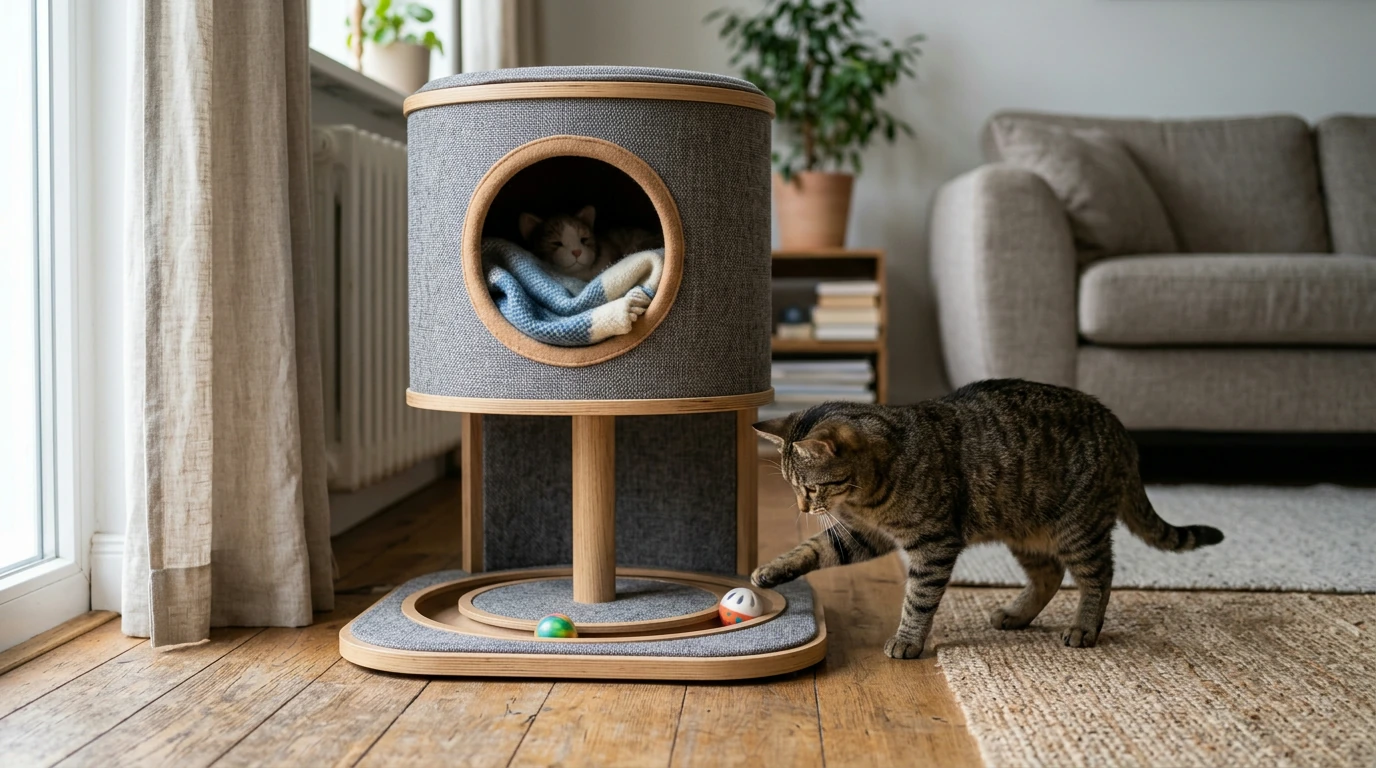
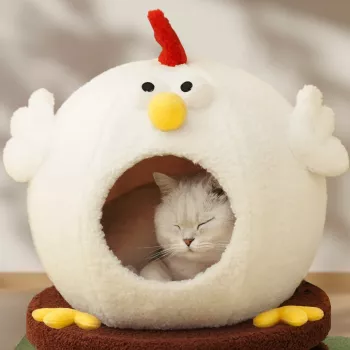
If your cat seeks out closets, boxes, or under-bed spaces, a cave-style cat house is usually a hit. Look for a covered design with a single entrance that feels secure, plus enough interior room for your cat to turn around without the walls collapsing in. A firm, non-slumping structure and a slightly weighted base help the house feel safe instead of flimsy.
Open beds and hooded loungers for “half-hide” cats
Many cats like a compromise: an open bed with raised sides or a partial hood. These give your cat a boundary to curl against while keeping sightlines open. Low front edges make entry easy, while taller sides create a protected “back wall” cats often prefer.
Materials cats gravitate toward
Soft, warm textures (plush, felted fabrics, fleece-like linings) are popular for resting, while sturdier exteriors hold their shape. Prioritize breathable construction and stitching that doesn’t leave loose threads. Removable, washable cushions are a practical win for keeping the space fresh without changing the house your cat already trusts.
Details that increase daily use
Cats use houses more when they’re stable, draft-resistant, and placed where your cat already chooses to relax—near family activity for social cats, or in a quieter corner for shy cats. Extras like a scratchable panel, a peek window, or a small built-in toy can also boost interest; for a playful option, see our guide on a cat house with a rotating turntable toy.
FAQ
How do I get my cat to use a new cat house?
Place it in a spot your cat already frequents and add a familiar-smelling blanket or your cat’s favorite toy inside. Let your cat investigate at their own pace, and reward any voluntary approach or short visit with calm praise or a treat.













Leave a comment