



What Are the Disadvantages of Swivel Chairs?
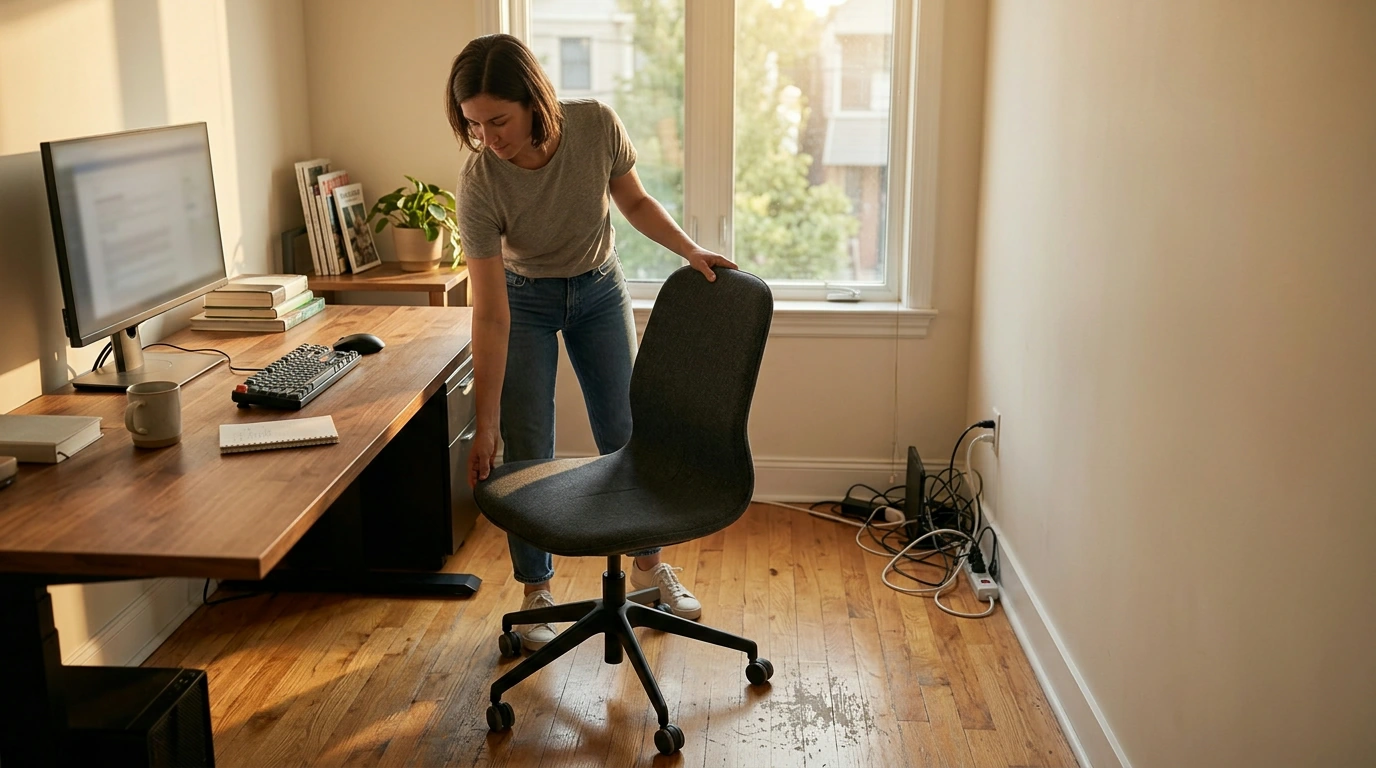
What are the disadvantages of swivel chairs?
Swivel chairs make it easy to turn toward a conversation, a screen, or a window without moving the whole chair. The trade-off is that their moving base can take up more usable space, require occasional care, and feel less stable than a stationary chair. For some households, the freedom to rotate is a benefit; for others, it is one more motion to manage.
Do swivel chairs need more clearance?
Yes. A chair may fit neatly in one position but bump a wall, table, or lamp when it turns. Leave room around the widest part of the chair throughout its rotation. If it also rocks or reclines, allow space for those movements, too, including room behind the backrest and in front of the footrest.
Are swivel chairs less stable?
Some people find a rotating seat harder to get into or out of because it can move as they shift their weight. A sturdy base and a chair that lets your feet rest comfortably on the floor can help. If you need reliable support when standing, a stationary chair may be a better choice; avoid using a swivel chair’s arm for leverage if the chair turns or tips.
Can the mechanism cause maintenance problems?
Swivel bases have moving parts that can loosen, squeak, or wear over time. Periodically inspect accessible fasteners and follow the manufacturer’s care instructions. Keep fingers and small objects away from moving parts, especially in homes with young children or pets.
Will a swivel chair work on every floor?
A heavy chair or exposed base can mark some flooring, particularly when the chair is dragged rather than lifted. A suitable rug or floor protector may help, provided it does not interfere with the base or create a tripping hazard. Our team recommends considering both the chair’s movement and the surface underneath before choosing its location.
How do we decide whether the trade-offs are worth it?
Start with how you plan to use the chair. Rotation is useful in a room with multiple focal points, but a fixed chair may be simpler in a tight corner or where steady support is a priority. For a closer look at a style that combines several motions, read our guide to leather swivel rocker chairs with adjustable headrests.
FAQ
Can a swivel chair also rock?
Yes. A swivel rocker combines a rotating base with a rocking motion, although not every swivel chair rocks. Allow clearance for both movements when placing one in your room.
















Leave a comment