



Bicycle Chain Cleaner: A Guide to Soaking and Care
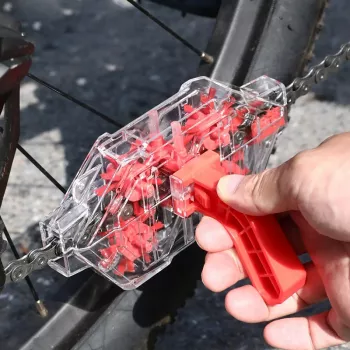
A cleaner bicycle chain can make routine maintenance easier to manage and help you spot problems before your next ride. Our Bicycle Chain Cleaner – Transparent Soaking Tool is an affordable addition to your cycling care routine. Pair it with a suitable cleaner, a cloth, and the right lubricant, and you have the basics for looking after your chain. For more guidance, see Campus Bike Center – Campus Recreation – University of Illinois.
Why Keep Your Chain Clean?
Everyday rides expose your chain to dust, road grit, and moisture. Old lubricant can collect that dirt, leaving a dark buildup around the links. Wet or muddy conditions can add grime more quickly, so it is worth checking the chain after those rides rather than waiting for your usual maintenance day. For further reading, see A beginners’ guide to … cleaning your bike.
Cleaning is only one part of chain care. Once the chain is clean, dry it and lubricate it as directed. Regular checks also give you a chance to notice stiff links, damage, or signs of wear that may need attention from a bike technician.
A clean chain is easier to inspect, but cleaning does not reverse wear or repair damage. If you are unsure about the chain’s condition, have it assessed before setting out on a longer ride.
Meet the Transparent Soaking Tool
Our Bicycle Chain Cleaner is a transparent soaking tool intended for cycling equipment maintenance. At $4.51, it offers a low-cost option to consider when putting together your chain-care supplies. It is currently in stock, though availability can change.
Before purchasing, visit the product page to review the details and make sure the tool suits your maintenance plans. Use it according to its instructions and the directions supplied with your chosen cleaning product.
How to Approach Chain Cleaning
Set aside a suitable bicycle chain cleaner or degreaser, a clean cloth, and a lubricant intended for bicycle chains. Choose a workspace where you can follow the cleaning product’s safety and disposal instructions, and protect nearby surfaces from drips.
1. Inspect before you begin
Look over the chain for visible dirt, stiff links, or damage. If there is heavy buildup, plan enough time to clean and dry it thoroughly. A badly worn or damaged chain should be assessed by a bike technician rather than treated as a cleaning problem alone.
2. Clean according to the instructions
Follow the soaking tool’s directions for setup and use, including any recommended soaking time. Also follow the cleaner’s instructions for application and safe handling. Do not assume that every tool attaches to a bicycle or works in the same way; use the method specified for the equipment you have.
When you are finished, wipe away loosened grime with your cloth as needed. Dispose of used cleaner and contaminated materials as directed by the product label and local rules. Keep cleaning products away from brake pads and other braking surfaces.
3. Dry and lubricate
Dry the chain before applying lubricant. Follow the lubricant’s directions, then wipe away excess with a clean cloth. Too much lubricant left on the outside of the chain can attract more dirt, making your next cleanup harder.
For another practical overview, see REI’s guide to cleaning and lubricating a bike chain.
Build a Practical Maintenance Routine
There is no single schedule that fits every rider. Mileage, weather, terrain, and storage conditions all affect how quickly grime builds up. Use the table as a starting point, then adjust your routine based on what you see and your drivetrain manufacturer’s guidance.
| When | What to check | Next step |
|---|---|---|
| After a wet or muddy ride | Moisture and visible grime | Clean as needed, dry, and lubricate |
| During regular bike checks | Dirt buildup and chain condition | Clean and lubricate if needed |
| Before a longer ride | Chain condition and smooth operation | Address buildup or wear before setting out |
For example, a muddy ride may call for attention sooner than several dry rides on clean pavement. Checking regularly lets you respond to actual buildup instead of cleaning on an arbitrary timetable. If the chain does not move smoothly after routine care, ask a technician to inspect it.
A Few Care Tips
- Choose cleaners and lubricants intended for bicycle chains, and follow their safety instructions.
- Keep cleaners and lubricants away from braking surfaces. If a product gets on them, follow the brake and product manufacturers’ guidance.
- Use a clean cloth for the final wipe so you do not transfer grime back onto the chain.
- Ask a bike technician to assess a badly worn or damaged chain.
While you are refreshing your everyday supplies, you can also browse our 500ml Glass Soap Dispenser Bottle for household soap. Keep it separate from bicycle cleaning products and use those products only as their labels direct.
FAQ
How often should I clean my bicycle chain?
Check it regularly and clean it when grime builds up, especially after wet or muddy rides. Follow your drivetrain manufacturer’s guidance.
Should I lubricate my chain after cleaning it?
Yes. Dry the chain first, apply a suitable chain lubricant as directed, and wipe away the excess.
Can I use any cleaner on a bicycle chain?
Choose a cleaner intended for bicycle chains and follow its instructions as well as your drivetrain manufacturer’s guidance.
















Leave a comment