



100W USB-C to USB-C Cable: PD 3.0, QC 4.0, 5A
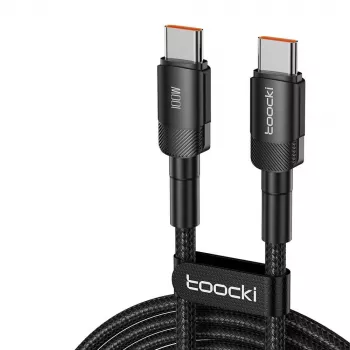
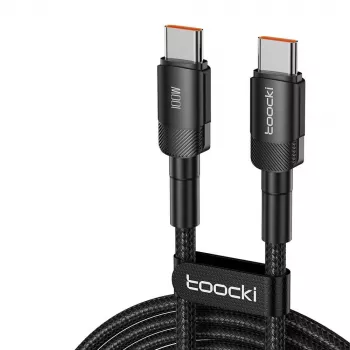
100W USB‑C to USB‑C Fast Charging Cable (PD 3.0 + QC 4.0, 5A): Power That Keeps Up
A good USB‑C cable should feel simple: plug in, charge fast, and get on with the day. Our 100W USB‑C to USB‑C fast charging cable is built for higher‑power charging with PD 3.0 and QC 4.0 support, designed to handle up to 5A for compatible chargers and devices—ideal for modern phones, tablets, power banks, and many USB‑C laptops that can benefit from USB Power Delivery.
What This Cable Is Made to Do
When you’re charging over USB‑C, the cable is part of the power “handshake.” Our team recommends a 100W/5A‑rated cable when you want fewer bottlenecks across different devices and chargers.
- Deliver higher charging power for compatible USB‑C devices using USB Power Delivery (PD) up to 100W (when paired with a capable USB‑C PD charger).
- Support fast‑charge ecosystems that rely on modern negotiation standards, including PD 3.0 and Quick Charge 4.0 (device/charger dependent).
- Carry up to 5A current for setups that support 5A charging profiles (cable + charger + device must all support the same profile).
- Provide a straightforward USB‑C to USB‑C connection for newer devices that have moved away from USB‑A ports.
When 100W Matters (and When It Doesn’t)
A 100W rating is most valuable when your setup can actually use it. Otherwise, it still gives you headroom and stability—without forcing extra power.
- For laptops and larger devices: many USB‑C laptops and tablets draw far more than a phone, so a 100W‑rated cable can prevent power bottlenecks when your charger supports it.
- For fast‑charging phones: phones typically use far less than 100W, but a higher‑rated cable can still help ensure stable fast charging when the charger/device request higher current.
- For power banks and hubs: higher‑power USB‑C accessories (some docks, high‑capacity power banks) benefit from a cable that can comfortably handle higher PD profiles.
- If the charger is low‑wattage: the cable won’t “force” extra power—charging is limited by the lowest‑capability piece in the chain (charger, device, or cable).
PD 3.0 and QC 4.0: Compatibility in Plain Terms
Fast charging is really about shared language between your charger and your device. The cable has to support that conversation reliably.
- USB Power Delivery (PD): the most common standard for USB‑C fast charging across laptops, tablets, and many phones; PD 3.0 refines how devices negotiate safe power levels.
- Quick Charge 4.0: designed around USB‑C and built to be compatible with USB PD; some Android phones and chargers reference QC even when they also support PD.
- The best results come when charger + device share the same fast‑charge standard (often PD for USB‑C devices).
- Charging speed depends on device limits, battery temperature, and power profile negotiation—not just the cable rating.
If you want to learn more about the standards themselves, these are solid references: USB‑IF: USB Power Delivery, USB‑IF: USB Type‑C, and Qualcomm Quick Charge.
At-a-Glance Specs and Fit
Use this quick table to confirm you’re matching the right ports and expectations. If your charger advertises PD output and your device supports PD input over USB‑C, this is typically the simplest pairing.
| Feature | What it means for daily use |
|---|---|
| Connector type | USB‑C to USB‑C for modern chargers, laptops, tablets, phones, and power banks with USB‑C ports |
| Max charging rating | Up to 100W (requires a USB‑C PD charger and a compatible device) |
| Max current | Up to 5A on supported charging profiles |
| Fast‑charge standards | Supports PD 3.0 and QC 4.0 negotiation when used with compatible devices/chargers |
| Best match | USB‑C PD wall chargers, USB‑C laptop chargers, USB‑C power banks with PD output |
If your device uses USB‑C but your charger is USB‑A, a USB‑C to USB‑C cable won’t connect—choose a USB‑A to USB‑C cable instead.
Common Setups This Cable Handles Well
- USB‑C laptop + USB‑C PD charger: helps reduce the chance of cable limits when using higher‑wattage adapters.
- Tablet + USB‑C fast charger: reliable daily charging, especially when a tablet supports higher PD profiles.
- Phone + USB‑C PD charger: a solid everyday cable for PD‑capable Android phones and newer USB‑C devices.
- Power bank with PD output: faster refills for devices and smoother pass‑through style charging (where supported by your accessories).
How to Get the Fastest (and Safest) Charge
Quick Buying Checklist Before Checkout
In Stock Now at Our Store
- 100W USB-C to USB-C Fast Charging Cable with PD 3.0 & QC 4.0 – 5A Power
- 500ml Glass Soap Dispenser Bottle
- Diadora Men’s Sneakers
FAQ
Will this cable fast charge my phone?
It can, as long as your phone and your charger support a compatible fast‑charge standard (most commonly USB‑C Power Delivery). The cable supports PD 3.0/QC 4.0 and up to 100W/5A, but charging speed will still be limited by what your phone and charger negotiate.
Can this cable charge a USB‑C laptop?
Yes—many USB‑C laptops that support USB‑C Power Delivery can charge with this cable when paired with a suitable USB‑C PD charger. Make sure your charger can meet the laptop’s wattage needs for charging under load.
Does 100W mean it will always charge at 100W?
No. The 100W figure is the maximum the cable is designed to support; actual wattage is negotiated between the charger and device and can change with battery level, temperature, and device limits.














Leave a comment