



Are Silicone Teething Rings Safe? A Parent’s Guide

Are silicone teething rings safe?
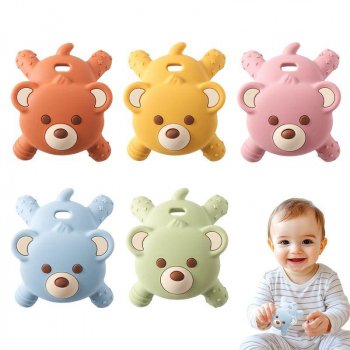
Silicone teething rings can be a safe choice when they are designed for babies, kept in good condition, and used under adult supervision. They give your baby a surface to chew as teeth come in, but the material alone does not guarantee that every ring is safe.
We recommend choosing a one-piece teether made from food-grade silicone, with no small attachments that could come loose. Look for a sturdy design that your baby can grip and that is too large to fit entirely in the mouth. Before each use, inspect it for tears, cracks, loose parts, or other damage, and replace it if you notice any.
What should you look for in a silicone teething ring?
Choose a teether intended for your baby’s age and follow the manufacturer’s instructions. A simple shape is easier to clean and inspect than a design with beads, strings, or multiple pieces. Avoid teething necklaces and bracelets: cords and small parts can create strangulation and choking hazards.
Our team also recommends avoiding liquid-filled teethers, which can leak if punctured. A solid silicone ring provides a chewable surface without a liquid-filled compartment.
How do you use and clean a teething ring?
Stay nearby while your baby uses a teether, and put it away when chewing time is over. Never tie it around your baby’s neck or attach it with a cord. If your baby has trouble breathing or appears to be choking, seek emergency help immediately.
Wash the ring before first use and regularly afterward, following the manufacturer’s cleaning directions. Rinse away soap thoroughly and let the teether dry. Some silicone teethers are dishwasher-safe, while others need handwashing, so use the method specified for your ring.
For soothing coolness, you can chill a suitable teether in the refrigerator. Do not freeze it: an extremely hard, cold surface can hurt tender gums. You can also gently rub your baby’s gums with a clean finger.
When should you ask your pediatrician?
Contact your pediatrician if your baby seems unusually uncomfortable, has a fever, or has symptoms that concern you. Teething can cause drooling and a desire to chew, but you should not assume every symptom is caused by a new tooth.
For more tips on choosing and caring for a teether, read our guide to food-grade silicone teething rings.
FAQ
When should you replace a silicone teething ring?
Replace it as soon as you notice a tear, crack, loose piece, or other damage. Also follow any replacement guidance provided by the manufacturer.














Leave a comment