



What Is the Best Foam Roller on the Market?
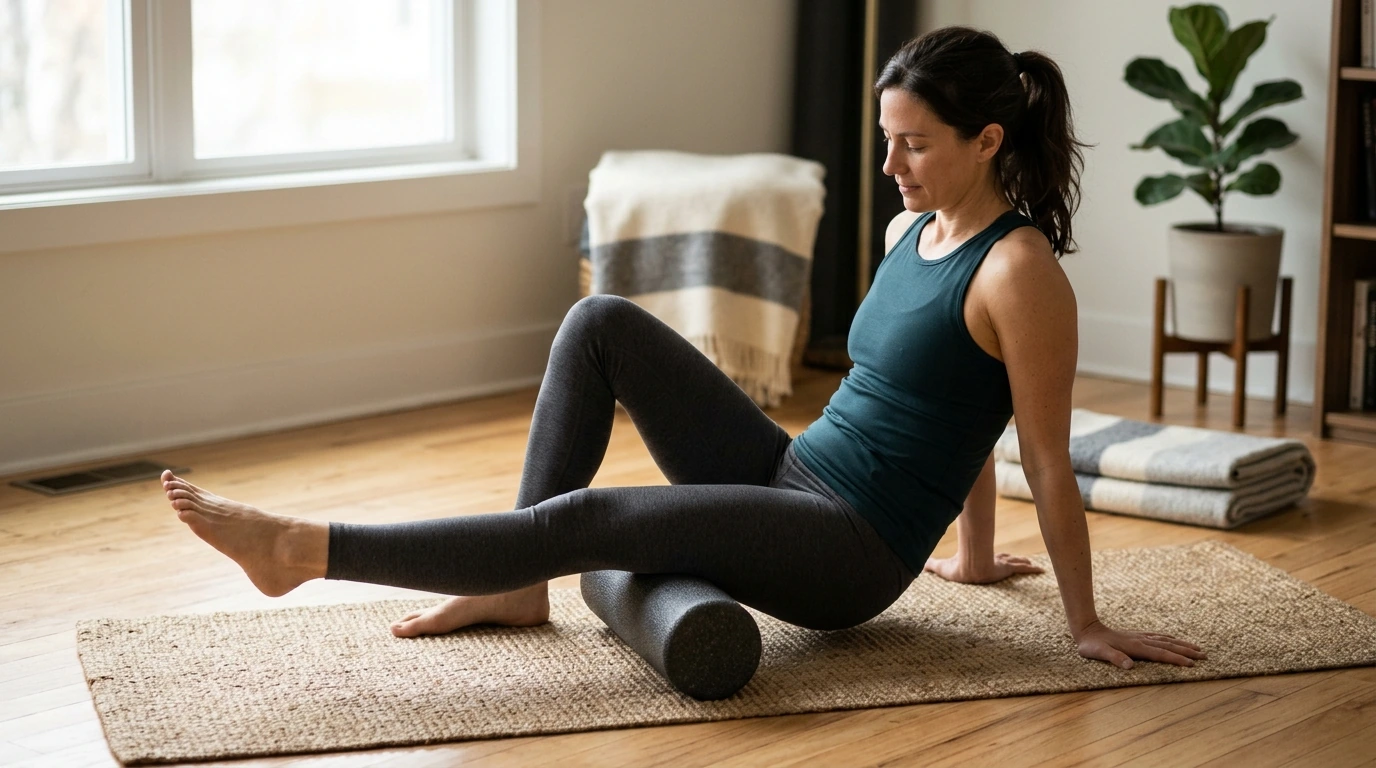
What is the best foam roller on the market?
For most people, the best foam roller is a firm, smooth expanded polypropylene (EPP) roller. It offers a practical balance of support, durability, and ease of use for muscle recovery, Pilates, and mobility work. Our team recommends starting with a smooth surface rather than a heavily textured roller because it gives you more control over pressure.
There is no single roller that suits every body or routine. A softer model can be a better first choice if you are sensitive to pressure, while a firmer EPP roller is useful when you want more support and a stronger massage. For a closer look at materials and exercises, read our guide to EPP foam rollers for yoga and Pilates.
What should you look for in a foam roller?
Choose the right firmness
Soft rollers compress more under your weight and generally feel gentler. Firm rollers provide more direct pressure and hold their shape during balance and Pilates exercises. If you are new to rolling, start gently even when using a firm roller; you can increase pressure gradually as you become comfortable.
Consider the surface
A smooth roller distributes pressure evenly and works well for broad areas such as the thighs and upper back. Ridges and raised patterns can create a more intense sensation, but they are not necessary for an effective routine. Choose texture based on comfort, not the assumption that more pressure is always better.
Pick a useful length
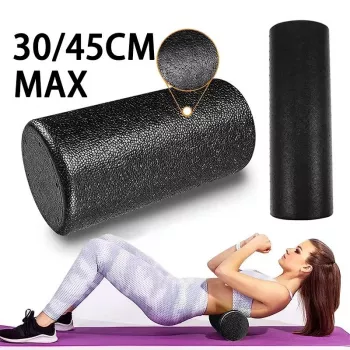
A longer roller gives you more room for upper-back work and exercises performed while lying lengthwise on it. A shorter roller is easier to carry and store and is handy for targeting legs and other smaller areas. Make sure the roller gives you enough stable contact for the exercises you plan to do.
How can you use a foam roller comfortably?
Move slowly over muscle tissue and use your arms or the opposite leg to control how much body weight rests on the roller. Avoid rolling directly over joints or the lower spine, and stop if you feel sharp pain, numbness, or tingling. If you have an injury or a medical condition that affects your muscles or circulation, ask a healthcare professional for guidance before rolling.
FAQ
When should you use a foam roller?
You can use a foam roller before exercise as part of a warmup or afterward as part of a recovery routine. Keep the pressure comfortable and adjust your routine to how your body responds.















Leave a comment