



Windproof Warm Dog Hoodie: Small-Dog Fit & Walk Tips
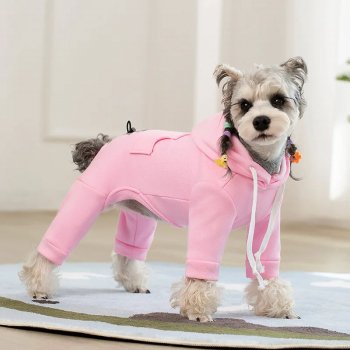
Windproof & Warm Dog Hoodie for Small Dogs: Cozy Protection for Breezy Walks
Cold wind can turn a quick potty break or neighborhood stroll into an uncomfortable experience—especially for small dogs that chill faster. Our Windproof & Warm Dog Hoodie for Small Dogs is made to help block wind, hold in warmth, and keep everyday outings comfortable without fuss. If you’re dealing with gusty sidewalks, drafty patios, or that sharp “feels colder than it looks” weather, a well-fitting warm hoodie can make outdoor time smoother for both you and your dog.
When a windproof warm hoodie makes the biggest difference
Not every day calls for dog clothing, but wind is one of the fastest ways to make a small dog uncomfortable. A warm hoodie tends to matter most in these situations:
- Breezy mornings and evening walks when wind cuts through thinner coats
- Small dogs and toy breeds that lose body heat quickly
- Short-haired dogs that get chilly before they get tired
- Car rides, patio time, and quick outdoor breaks where wind exposure is the main issue
- Layering under a rain shell on wet, cold days (when conditions call for it)
For broader winter safety habits (beyond clothing), the AVMA’s cold weather safety guidance is a solid reference for things like limiting exposure and watching for cold stress.
Comfort-first design goals to look for in a warm dog hoodie
Our team looks at warm hoodies the same way you do: will your dog actually tolerate it, move naturally, and stay warmer without turning walks into a struggle? These are the comfort-forward design goals that matter most:
- Wind-blocking outer feel: helps reduce chill during gusts and exposed areas.
- Warmth without bulk: insulation should keep the core warm without restricting shoulder movement.
- Soft inner contact: reduces irritation for dogs with sensitive skin and short coats.
- Easy on/off: a hoodie should simplify routines, not add wrestling time.
- Coverage that counts: chest and core warmth usually matter more than leg coverage for casual walks.
If your dog is between sizes, the goal isn’t “snug”—it’s room to breathe and stride. Wind protection works best when the hoodie sits close enough to reduce drafts but doesn’t pinch at the chest or rub the underarms.
Fit checklist for small dogs (the quick measuring routine)
Fit is where most “my dog hates clothes” problems start. Before you order, measure your dog’s neck, chest (girth), and back length—then prioritize the chest measurement. Use this quick routine:
- Measure neck, chest (girth), and back length before ordering; chest is often the deciding measurement.
- Aim for a secure-but-not-tight fit: two fingers of ease around the chest is a common comfort check.
- Watch the armpit area: rubbing near the front legs is the most common cause of “clothes refusal.”
- Confirm potty-friendly coverage: the belly area should allow normal bathroom posture.
- Do a 60-second indoor test: let your dog walk, sit, and take a few steps—adjust if needed.
Measuring guide: what to measure and why it matters
| Measurement | How to measure | Why it matters |
|---|---|---|
| Neck | Wrap a soft tape around the base of the neck (where a collar sits). | Helps prevent a tight neckline and keeps the hoodie comfortable at the throat. |
| Chest (girth) | Measure the widest part of the ribcage, just behind the front legs. | Most important for comfort and movement; too small here restricts breathing and stride. |
| Back length | From the base of the neck to the base of the tail (not including the tail). | Determines coverage over the core without riding up or dragging. |
How to use a warm hoodie for real-life weather (layering and timing)
Warmth works best when you get ahead of the chill. If your dog starts shivering, warming back up takes longer—especially in steady wind.
If you notice shivering, a tucked tail, repeated paw lifting, or reluctance to keep walking, it’s time to head in and warm up. The AKC’s winter safety tips also highlight watching for cold discomfort signals and limiting exposure during harsh conditions.
Care habits that keep a dog hoodie feeling soft and warm
A simple routine for dogs new to clothing
In-stock picks from our store
- Windproof & Warm Dog Hoodie for Small Dogs — our go-to option for breezy walks and quick outdoor breaks.
- 500ml Glass Soap Dispenser Bottle — a tidy sink-side upgrade for post-walk handwashing.
- Diadora Men’s Sneakers — comfortable everyday footwear for your walking routine.
FAQ
How do the right size and fit get chosen for a small dog hoodie?
Measure your dog’s neck, chest (girth), and back length, then prioritize the chest measurement for comfort and movement. Aim for a secure fit with a little ease (often about two fingers at the chest), and check for rubbing at the underarms plus potty-friendly belly coverage. Do a quick indoor walk/sit test to confirm your dog can move naturally.
Is a warm hoodie enough for winter walks?
It depends on temperature, wind, moisture, and your dog’s coat and body size—hoodies help most in cool, windy weather. In wet conditions, adding a water-resistant shell can help, and in extreme cold you’ll want shorter outings and close monitoring for shivering or reluctance to walk. If your dog shows signs of being too cold, head indoors and warm up right away.
How should a dog hoodie be washed and dried?
Follow any care instructions when available, and wash the hoodie when it’s soiled or after damp outings so it doesn’t hold moisture or odor. Make sure it’s fully dry before your dog wears it again or before you store it. Periodically inspect seams and closures so the hoodie stays secure and comfortable.
















Leave a comment