



Inside Pulse Repair Battery Chargers: How They Work
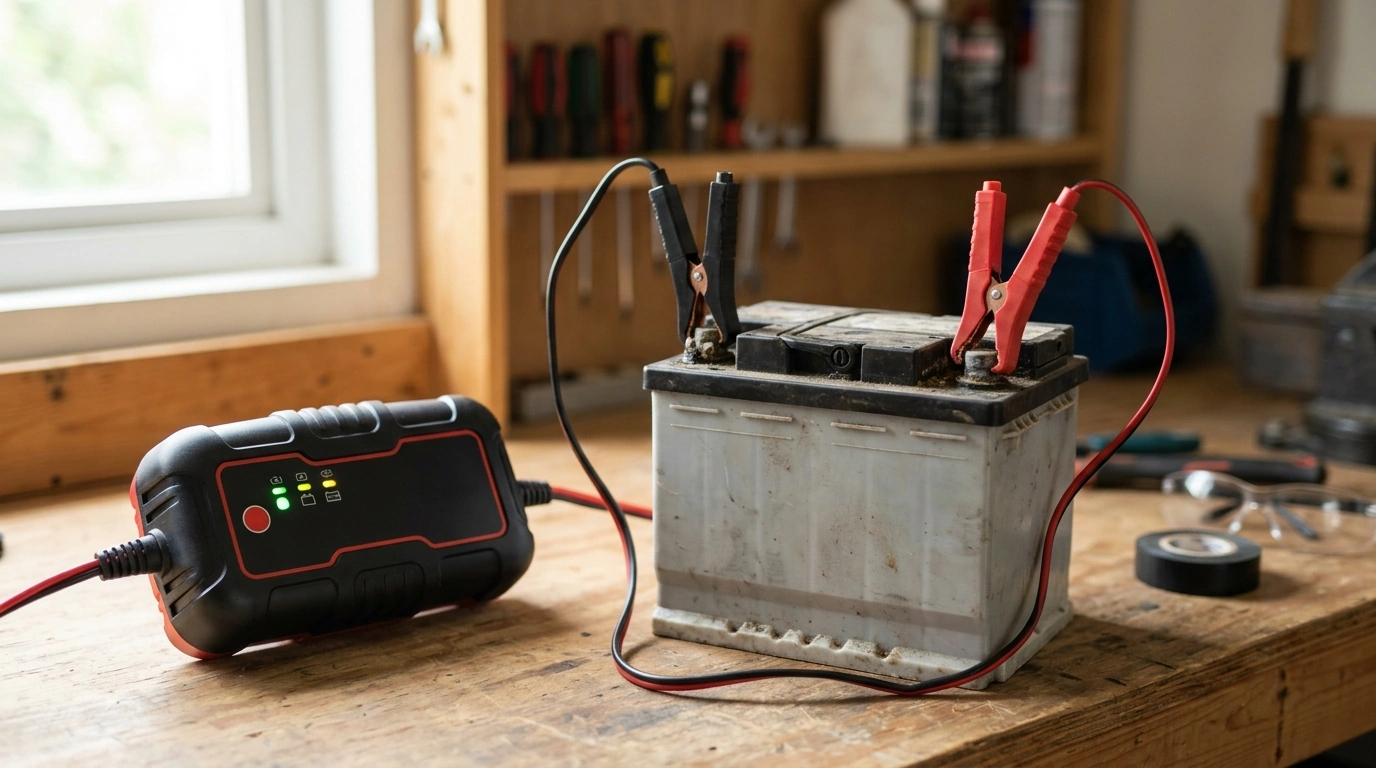
How does a Pulse Repair battery charger work?
A Pulse Repair charger combines regular battery charging with a repair mode designed to address sulfation in certain lead-acid batteries. Sulfation occurs when lead sulfate crystals build up on the plates, often after a battery remains discharged for an extended period. The charger sends controlled electrical pulses intended to help reduce some of that buildup while it charges.
What happens during a repair cycle?
The charger first assesses the battery and may charge it in stages, adjusting its output as the battery voltage changes. In repair mode, it applies pulses according to the charger’s design, then continues or completes the charging process. This is different from simply applying a constant current, but the exact sequence and settings vary by model.
Pulse repair is not a guaranteed battery fix. It may help a serviceable, sulfated battery accept a charge, but it cannot reliably restore a battery with damaged plates, a shorted cell, severe corrosion, or normal end-of-life wear. If the charger reports an error or the battery still will not hold a charge, replacement may be necessary.
When should you use Pulse Repair mode?
Use the mode only when your charger’s instructions say it is appropriate for your battery’s chemistry and voltage. It is generally intended for compatible lead-acid batteries, including some flooded, AGM, or gel types, but compatibility is model-specific. Do not assume that a repair setting is suitable for a lithium battery or another chemistry.
Follow the charger’s connection and ventilation instructions. Charge in a well-ventilated area, keep sparks and flames away, and stop if the battery becomes unusually hot, swollen, or damaged. Some repair cycles may take longer than standard charging, so use the charger’s stated process rather than leaving a battery unattended beyond its instructions.
How do you decide whether a pulse charger is right for you?
Start with your battery’s label and the charger’s supported battery types, voltage, and capacity range. Consider repair mode a possible maintenance aid—not a substitute for correct charging, safe handling, or battery replacement when needed. For more battery-charging guidance, visit our guide to how Pulse Repair battery chargers work.
FAQ
What batteries should you avoid charging with a pulse repair charger?
Avoid using repair mode on any battery chemistry or voltage the charger does not explicitly support, especially lithium batteries unless the manufacturer specifically approves that mode. Do not charge a cracked, leaking, swollen, or otherwise damaged battery.

















Leave a comment