



Adjustable Garden Sprinkler: Smarter Watering Tips
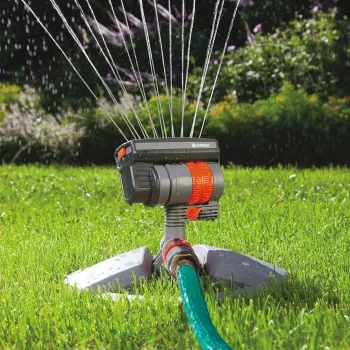
A consistent watering routine starts with more than turning on the hose. Where you place a sprinkler, when you water, and how you respond to changing weather all affect how much water reaches your lawn and garden plants. An adjustable automatic sprinkler offers a practical way to water an area while giving you room to refine your approach.
Meet the Adjustable Automatic Garden Sprinkler
Our Adjustable Automatic Garden Sprinkler for Lawn & Plant Irrigation is an option for watering lawns and planted areas. Explore the listing if you want a sprinkler you can incorporate into a routine tailored to your yard.
The sprinkler is listed at $24.51 and is currently in stock. Price and availability may change. Before you begin, consider which areas need water and whether they can be reached from one position or would be better served in separate sessions.
Find the Right Spot
Place your sprinkler where water can reach the lawn or planting area you intend to water. Start on a stable surface and watch the pattern for a few minutes. A position that looks central may still leave an edge dry or send water onto a sidewalk.
Adjust or reposition the sprinkler when you notice water landing on paths, driveways, or other hard surfaces. These areas do not benefit from irrigation, and directing water away from them helps you use it where it is needed. If your yard has an irregular shape, moving the sprinkler between sessions may give you better coverage than relying on a single location.
Pay attention to dry patches, especially near the edges of the watered area. You can compare the soil in several spots after a session to see whether coverage is reasonably even. If one area consistently stays dry, try a different position or adjust the watering pattern.
Separate sessions can also help when plants have different needs. A lawn, a newly planted bed, and established drought-tolerant plants may not need the same amount of water. Water each area according to its soil and plants rather than assuming one session will suit everything.
Build a Thoughtful Watering Routine
Before watering, check the soil and consider recent rainfall. Feel the soil below the surface in several places; a dry surface alone does not always mean the roots need water. Conditions can also vary across a yard, with sunny or exposed areas drying faster than shaded ones.
When practical, water early in the day. Cooler morning conditions can help reduce water lost to evaporation, leaving more available for the soil. For additional guidance on making outdoor watering more efficient, see the EPA WaterSense watering tips.
Keep an eye on the area while the sprinkler is running. If water begins to flow away rather than soak in, pause the session and allow the soil to absorb it before watering again. Sloped ground and compacted soil can be particularly prone to runoff.
Afterward, look for missed spots and pooling. Use what you notice to adjust the next session: move the sprinkler, change its setting, or divide the area into smaller watering zones. Our team recommends revisiting your routine as temperatures, rainfall, and plant needs change through the season.
Watering Routine Checklist
| Check | What to look for | Next step |
|---|---|---|
| Before watering | Soil moisture and recent rainfall | Water when the area needs it |
| During watering | Coverage and runoff | Reposition or adjust as needed |
| After watering | Dry patches or pooling | Refine the next session |
Care for Your Sprinkler
Regular checks can help you spot visible debris before it interferes with watering. Look over the sprinkler after use and clean away dirt or plant material as needed. If you notice a change in coverage, inspect it for debris before deciding where to place it next.
When the sprinkler is not in use, store it in a protected place. Before freezing weather arrives, disconnect it, drain any remaining water, and bring it indoors or into another sheltered storage area. Keeping it out of the elements also makes it easier to find when the next watering season begins.
After working outside, you may also appreciate a convenient place for hand soap. Our 500ml Glass Soap Dispenser Bottle is an in-stock option for keeping soap near a sink. For the yard itself, shop our adjustable sprinkler and make coverage, soil moisture, and changing conditions part of your watering routine.
Before choosing, compare the product details with your daily routine, available space, care needs, and preferred setup. The strongest option is usually the one that fits the intended use clearly and remains simple to clean, store, and check before repeat use.
It is also worth checking measurements, material notes, included parts, and compatibility details so the item matches the way it will be used after delivery.
FAQ
Where should I place a garden sprinkler?
Place it where water can reach the area that needs watering. Check for missed spots and water landing on paths or driveways, then reposition or adjust it as needed.
How often should I water my lawn and plants?
Base your routine on soil moisture, recent rainfall, weather, and the needs of your plants rather than relying on one fixed schedule.
What time of day is best for watering?
Early in the day is generally a practical choice because cooler conditions can help reduce water lost to evaporation.

















Leave a comment