


1200X Monocular Kids Microscope: Everyday Discoveries
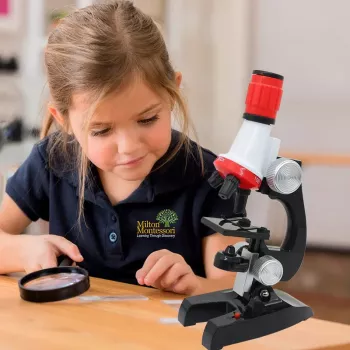
A closer look at familiar materials can turn an ordinary afternoon into a chance to ask new questions. With our 1200X Monocular Kids Microscope, you and your child can explore small details together, compare observations, and discover how much there is to notice in the things around you. For more guidance, see Comprehensive review of surgical microscopes.
You don’t need an elaborate collection to begin. A thin piece of paper, a clean leaf, and a scrap of fabric can give your family a starting point. Set aside a little time, gather a notebook, and let curiosity lead the way. For further reading, see Biological Microscope, 40X to 400X Monocular Compound ….
A Small Window Into a Bigger World
A monocular microscope is viewed through one eyepiece. Your child looks through that single opening while you help prepare a sample and adjust the setup according to the instructions. The Encyclopaedia Britannica’s introduction to microscopes offers more background on how these instruments help us examine small objects.
Our 1200X Monocular Kids Microscope gives families a reason to slow down and look closely. Instead of asking only what an object is, you can ask how it looks, whether its surface appears even, and what changes when you try a different sample.
Observation is as much about questions as answers. A child might notice a pattern in one piece of fabric and wonder whether another fabric has the same pattern. Encourage them to describe what they see in their own words without worrying about getting a perfect answer.
Ideas for Your First Observations
Start with thin, familiar materials that are easy to handle. Compare two pieces of paper or two leaves, or look at different sections of the same sample. The goal is not to make every view look dramatic; it’s to notice similarities and differences.
Have your child draw what they can see and label the drawing with the material’s name. You can also add a few words about its color, texture, or visible pattern. Later, revisit the notes and ask whether another sample looks the same or different.
| Material | What to Look For | Preparation |
|---|---|---|
| Thin paper | Fibers and texture | Use a small piece |
| Leaf | Veins and surface patterns | Choose a clean, thin section |
| Fabric | Threads and weave | Use a small, flat piece |
Keep an adult nearby throughout the activity. Choose clean household materials, and avoid sharp, hazardous, or unknown samples. If a sample needs cutting, an adult should prepare it away from the child before observation begins.
You can make comparison easier by changing just one thing at a time. For example, look at two paper samples using the same setup before trying a leaf. Ask your child what they noticed first, then whether a second look revealed anything new.
Making the Most of Microscope Time
Choose a stable table or desk where your child can sit comfortably and where there is room for the microscope, samples, and notebook. Keep the workspace uncluttered so small pieces don’t get mixed up. A calm setup makes it easier to take turns and concentrate on the view.
Follow the product instructions for setup, focusing, lighting, and cleaning. Begin with a thin, flat sample and make adjustments as directed. What you can see depends on the material, its thickness, the lighting, and the focus, so one sample may be easier to examine than another.
If the view isn’t clear, try a flatter section or review the focusing instructions together. Your child can describe what changes as you adjust the setup. If a sample still doesn’t show much, set it aside and try something else rather than treating the result as a failure.
When you’re finished, put the samples away and clean the microscope as directed. Wash hands after handling the materials. Keeping soap handy can make cleanup part of the routine; our 500ml Glass Soap Dispenser Bottle is one option for a nearby handwashing area. An adult should handle the glass bottle around young children.
A Thoughtful Gift for a Curious Child
A microscope can be a hands-on gift for a child who enjoys looking closely and asking questions. Pair observation time with a notebook, pencils, and a few safe household samples to create an activity you can share at home. You might even save the first drawings so your child can compare them with later observations.
There’s no need to plan a long lesson. A short session with one or two materials can leave plenty to talk about: What did you notice? What would you like to compare next time? Our team encourages you to follow your child’s interests and let each question lead to another.
Visit the microscope’s product page for current price, availability, and product details before you decide.
FAQ
What does monocular mean on a kids microscope?
Monocular means the microscope has one eyepiece for viewing.
What can kids look at with a microscope?
With adult supervision, children can explore small, thin pieces of paper, clean leaves, and fabric. An adult should prepare the samples and avoid sharp, hazardous, or unknown materials.
How can children get a clearer view of a sample?
Start with a thin, flat sample and follow the product instructions for lighting and focus. Results depend on the sample and setup.












Leave a comment