



12V 6A Battery Charger: Compatibility and Safety Guide
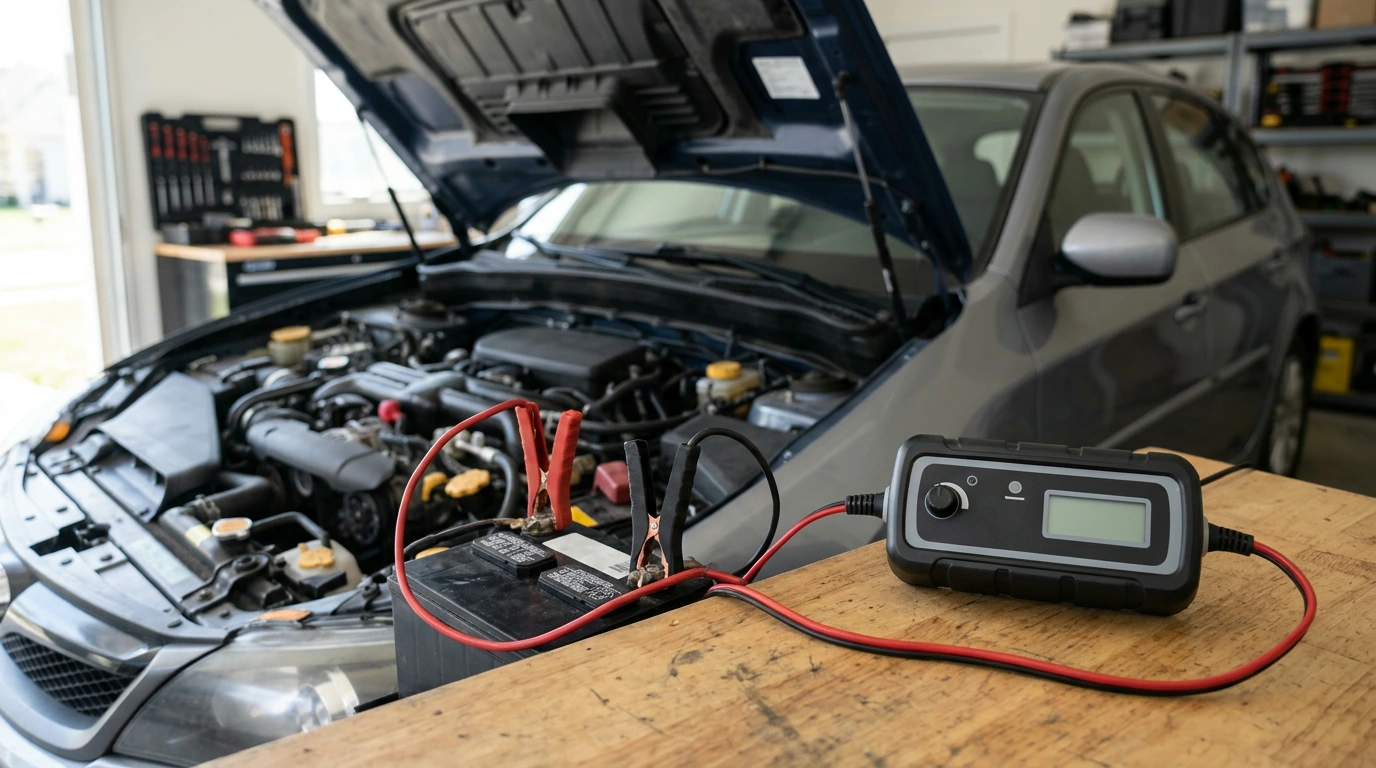
A weak battery can interrupt a morning drive or keep your motorcycle parked when the weather is finally right. Our 12V 6A Smart Pulse Repair Battery Charger with LCD Display offers a way to charge a compatible vehicle battery at home. Before you connect it, a few checks can help you decide whether it suits your battery and how to use it safely.
A Charger for Cars and Motorcycles
This charger is listed for cars and motorcycles. Its 12V rating identifies the battery voltage it is intended to serve, while 6A is its stated charging-current rating. Neither number, on its own, confirms that it is suitable for every battery found in those vehicles.
A charger may be useful when a car has been parked for a while, a motorcycle sits between rides, or you want to charge a battery before a planned trip. It can address a discharged battery, but it cannot fix every starting problem. A faulty connection, a failing battery, or a vehicle issue may call for a different solution.
If those features match what you need, you can review our 12V 6A Smart Pulse Repair Battery Charger with LCD Display before comparing its instructions with your battery’s requirements.
| Feature | What to Know Before Use |
|---|---|
| 12V rating | Confirm that your battery is a compatible 12V type. |
| 6A rating | Compare it with the battery maker’s recommended charging rate. |
| LCD display | Use it to follow the information the charger presents during operation. |
| Pulse repair | Treat it as a charger feature, not a promise to restore a damaged battery. |
What the LCD Display and Pulse Repair Feature Add
An LCD puts operating information on the charger, giving you a place to check its status without relying solely on indicator lights. Pay attention to what the display and the charger instructions tell you during use; do not assume that a particular reading means the battery is healthy unless the instructions say so.
“Pulse repair” is a named feature of this model, but its effect depends on the battery’s condition. It is not a guarantee that a battery with internal damage, or one that no longer holds a charge, can be restored. If charging does not resolve the problem, battery testing or replacement may be the sensible next step. We recommend viewing the display and pulse repair feature as conveniences, not substitutes for a battery inspection.
Check Compatibility Before Connecting
Start with the battery label or your owner’s manual. Confirm the voltage and battery chemistry, then compare the battery manufacturer’s charging instructions with the charger manual. A 12V label does not establish compatibility with every 12V chemistry, and the vehicle type alone does not tell you which charging settings are appropriate.
Battery size and capacity also matter. Cars and motorcycles can have substantially different battery requirements, so consider the charger’s 6A rating alongside the charging rate recommended for your specific battery. If you cannot identify the battery type or find the applicable instructions, get qualified guidance before connecting a charger.
It is also worth considering why the battery is low. A vehicle that repeatedly needs charging may have a battery that is wearing out or another issue that needs inspection. Keeping track of when the problem occurs can help you explain it to a technician.
A Safer At-Home Charging Routine
Before attaching clamps, park the vehicle securely and turn it off. Look for visible battery damage, including a cracked case or leaks, and read both the battery and charger instructions. Follow the charger’s specified connection and disconnection sequence rather than relying on a routine remembered from another device.
Choose a well-ventilated location and keep sparks and flames away from the charging area. Those precautions are consistent with OSHA’s battery-charging guidance. During charging, check the charger and battery as their manuals direct. If the battery leaks, appears damaged, or becomes unusually hot, stop and seek qualified advice.
Set up your work area so the instructions are easy to consult and you are not rushing the connections. If you are organizing other routine garage or household supplies at the same time, our 500ml Glass Soap Dispenser Bottle is a separate option for a sink area—not battery-charging or safety equipment.
Make Battery Care Part of the Routine
If your car or motorcycle will sit unused, consider checking its battery condition before you need it for a drive. That gives you time to charge a compatible battery according to its instructions, or to arrange an inspection if it has been losing charge repeatedly.
For shoppers seeking a 12V 6A charger with an LCD display and pulse repair feature, we suggest confirming the battery’s chemistry and charging guidance first. A good purchase decision starts with the battery you plan to charge, not just the vehicle it powers.
FAQ
Can this charger be used on any 12V car or motorcycle battery?
No. Confirm your battery’s chemistry, capacity, and charging instructions against the charger manual before use.
Will pulse repair bring a dead battery back to life?
Not necessarily. Results depend on the battery’s condition, and a damaged battery or one that cannot hold a charge may need replacement.
What should I check before charging a vehicle battery?
Confirm compatibility, inspect the battery for visible damage, and read both sets of instructions. Charge in a ventilated location away from sparks and flames.
















Leave a comment