



Waterproof Winter Ski Gloves That Stay Warm and Dry
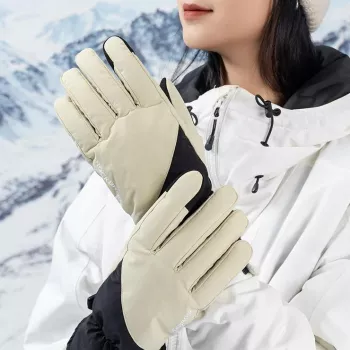
Waterproof Winter Ski Gloves for Cold, Wet Days on the Mountain
Snow days are fun until your hands get soaked, stiff, and cold. Waterproof winter ski gloves are built for exactly that mix of moisture, wind, and long hours outside—whether it’s skiing, snowboarding, shoveling, or walking the dog in slush. Our team put together our Waterproof Winter Ski Gloves as a dependable, budget-friendly option designed to help keep your hands dry and insulated while still letting you grip poles, zippers, and gear comfortably.
What these gloves are made to handle
Winter doesn’t just mean “cold.” It’s cold plus water plus wind—often all in the same hour. That’s why a true ski glove needs to manage multiple problems at once.
- Wet snowfall and chairlift spray: Slushy snow can soak ordinary knit gloves fast, then chill you as soon as the wind picks up.
- Wind exposure on open runs and lift rides: Wind can cut through thin fabrics and amplify heat loss (NOAA explains how quickly wind chill can drop “feels like” temps on exposed skin).
- Long sessions outdoors: Even in freezing weather, hands sweat. If moisture gets trapped, you can end up clammy, then cold.
- Everyday winter chores: Scraping windshields, clearing snow, carrying bags, walking across icy parking lots, and commuting all demand warmth and grip.
If you’re ever unsure whether your hands are getting dangerously cold, it helps to know the warning signs. The CDC’s guide to frostbite signs and symptoms is worth a quick read before you head out for a long day.
Comfort and warmth: what to look for in a winter ski glove
Warmth isn’t only about “thickness.” It’s about staying dry, blocking wind, and keeping enough dexterity to actually use your hands.
- Waterproofing plus insulation: Staying dry keeps insulation working. Once a glove wets out, warmth drops quickly.
- Cuff height: Longer cuffs help block snow entry at the wrist, especially when reaching, falling, or handling boards and skis.
- Lining feel: A softer interior reduces friction and makes gloves easier to pull on/off when your hands are slightly damp.
- Breathability: Sweat management matters; better moisture control helps prevent that clammy-to-cold swing.
- Dexterity: Bulky gloves can be warm but frustrating. The sweet spot is warmth without losing grip and finger control.
Quick fit and feature checklist
| Check | How to test at home | Why it matters on snow days |
|---|---|---|
| Finger length | Make a fist; fingertips should not be compressed | Prevents cold pressure points and improves control |
| Palm grip | Hold a ski pole, phone, or car key and squeeze | Better handling when hands are wet or numb |
| Wrist seal | Shake hands downward as if flinging off snow | A snug seal helps keep snow and drafts out |
| Cuff coverage | Raise arms overhead like loading a lift | Reduces gaps between sleeve and glove |
| Layer compatibility | Try with your jacket and midlayers | Avoid bunching that restricts circulation (and warmth) |
How to size and wear ski gloves for real warmth
Even an excellent glove can feel cold if it’s worn the wrong way. Fit and layering decide whether you stay comfortable after a few hours.
- Avoid going too tight: Restricted circulation can make hands colder, even with thick insulation.
- Avoid going too loose: Extra air space reduces control and can let snow sneak in at the cuff.
- Build a continuous seal at the wrist: Tuck glove cuffs under or over your jacket cuff based on your jacket design—either way, eliminate gaps.
- Use hand warmers strategically: Place warmers on the back of the hand rather than in the palm so you can still grip poles and zippers comfortably.
- Bring a dry backup for longer outings: Swapping into a dry pair is one of the fastest ways to restore warmth after a wet session.
Wind can turn a manageable day into a rough one when you’re exposed on ridgelines or stuck on a slow lift. NOAA’s wind chill information is a helpful reference for planning what level of hand protection you’ll want.
Where our Waterproof Winter Ski Gloves fit into your winter kit
Our Waterproof Winter Ski Gloves are built for the days when staying dry matters just as much as warmth. They’re a practical pick for lessons, day trips, and casual resort laps—plus all the non-ski moments where wet cold still finds your hands.
- Great for multipurpose winter use: Commuting, snow play, sledding, and cold-weather errands.
- Ideal for a “spare pair” system: Keep a backup in your car or gear bag so damp gloves don’t end your day early.
- Easy to gift: Gloves are a high-impact winter essential that most people replace more often than they expect.
And don’t overlook what happens after you unclip and step into the parking lot: warm, comfortable footwear can make recovery faster and more comfortable. Our team often pairs cold-weather handwear with everyday shoes like Diadora Men’s Sneakers for walking around town or the lodge once you’re out of your ski boots.
Care tips to keep waterproof gloves performing
Easy add-ons for colder days
FAQ
Are waterproof winter ski gloves good for snowboarding too?
Yes. Snowboarding usually involves more hand contact with snow, so waterproofing, insulation, and a secure wrist/cuff seal matter even more to keep moisture out and warmth in.
How should ski gloves fit to stay warm?
Your gloves should feel snug but not tight. You should be able to make a fist without fingertip pressure—tight gloves reduce circulation, while overly loose gloves let cold air and snow in.
How do you dry ski gloves after a wet day?
Air-dry them fully with the openings wide, away from direct high heat. If your gloves have removable liners, dry the liners separately to prevent lingering moisture and odor.















Leave a comment