



A4 Sketchbook for Watercolor, Gouache & Pencil in One
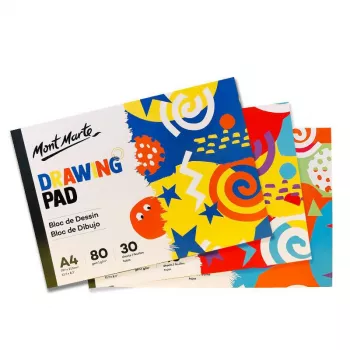
Meet your all-in-one A4 sketchbook for pencil, watercolor, and gouache
A sketchbook should handle quick pencil thumbnails and still stay steady when paint and water come out. Our A4 sketchbook is built for artists who switch between watercolor washes, opaque gouache layers, and pencil shading—without needing separate pads for each medium. Use it for practice sessions, class assignments, travel studies, or a single project that moves from graphite planning to painted finish.
What this A4 sketchbook is made for
If your workflow moves between dry marks and wet layers, A4 gives you enough room to build an idea without feeling boxed in. Here are the most common ways our team sees artists use this format:
- Watercolor studies: washes, gradients, simple landscape blocks, and value practice.
- Gouache sketches: layered shapes, opaque highlights, poster-style illustrations, and color thumbnails.
- Pencil drawing: gesture work, line studies, hatching, and controlled shading.
- Mixed workflow: pencil layout first, then paint on top once the drawing is set.
- A4 format benefits: comfortable space for full compositions, storyboards, design layouts, and classroom work.
How to get clean results with watercolor and gouache
Water-based media can look crisp in a sketchbook when you keep moisture predictable and build your values on purpose. If you want fewer backruns and muddier passages, try these habits:
- Start with controlled water: for watercolor, load the brush with pigment first, then add water gradually to avoid overwhelming the page.
- Work in layers: let light washes dry before adding darker values; for gouache, build opaque layers once the underpainting is dry.
- Use a test corner: try the first stroke on a corner or a small margin area to gauge moisture and pigment strength.
- Protect adjacent pages: place a spare sheet behind the page you’re painting to prevent accidental transfer.
- Drying habits: allow painted pages to dry fully before closing the sketchbook to reduce sticking or offsetting.
If you want a quick refresher on traditional watercolor handling, the overviews from Tate and the Royal Watercolour Society are solid references for foundational techniques and terminology.
Pencil drawing tips that pair well with paint
Pencil can either support your paint layers—or fight them. The difference is usually how heavy the early graphite is and whether you plan values before you add water.
- Choose the right hardness: harder leads (H, 2H) keep lighter construction lines; softer leads (2B–6B) deepen shadows and texture.
- Keep initial lines light: a gentle layout prevents heavy graphite from showing through translucent watercolor washes.
- Seal lines when needed: if using very soft graphite, lightly brush away excess graphite dust before painting over it.
- Use value planning: block in mid-tones and shadows first, then paint, then return to pencil for crisp accents if desired.
- Try quick studies: A4 space is ideal for a single large subject or multiple smaller studies on one page.
Simple ways to reduce warping and page stress
Any sketchbook page can react to water; the goal is to keep your wetting consistent so the sheet dries more evenly.
- Use a moderate amount of water for washes and avoid soaking the entire page at once.
- Paint from one side to the other to keep moisture more consistent across the surface.
- Let pages dry flat: if a page curls slightly, allow it to dry open and flat before stacking items on it.
- Consider masking tape on edges for neat borders, then remove slowly after the page is fully dry.
- If working with heavy wet techniques, paint smaller sections and allow drying time between passes.
When A4 is the right size (and when it isn’t)
A4 is a practical “do-it-all” size, but it’s not always the best daily-carry option. Here’s a simple way to decide:
- Choose A4 when: compositions feel cramped in smaller books, assignments require larger drawings, or you like room for color swatches and notes.
- Choose smaller when: the sketchbook needs to fit easily in a small bag or be used mainly for quick thumbnailing.
- A4 is especially useful for: character sheets, multi-angle studies, still life setups, and landscape value mapping.
- For travel: A4 works well when sketching is the purpose of the outing and there’s time to set up tools.
- For daily carry: consider keeping A4 at the desk and using a smaller pad for on-the-go notes.
A practical setup checklist for watercolor, gouache, and pencil
Medium-to-method guide (quick reference)
| Medium | Best for | Typical approach in a sketchbook | Helpful tool |
|---|---|---|---|
| Pencil | Planning, line control, shading studies | Light layout → deepen values → refine edges | Kneaded eraser |
| Watercolor | Washes, gradients, transparent layering | Light wash → dry → glaze darker layers | Blotting cloth |
| Gouache | Opaque blocks, corrections, bold highlights | Mid-tone base → opaque shapes → highlights | Mixing palette |
| Mixed (pencil + paint) | Finished studies, illustrations | Pencil layout → paint layers → pencil accents | Spare protective sheet |
Good fits for classes, gifts, and daily practice
In-stock picks from our store
- A4 Sketchbook for Watercolor, Gouache, and Pencil Drawing — our go-to choice for keeping pencil planning and paint layers in one cohesive book.
- 500ml Glass Soap Dispenser Bottle — a handy studio-side container for brush soap or clean water management when you’re working at a desk.
FAQ
Can the same sketchbook be used for watercolor, gouache, and pencil?
Yes—use pencil lightly for planning, let watercolor layers dry before adding more, and apply gouache in controlled layers. Add a protective sheet behind the page and avoid closing the book until paint is fully dry.
How can warping be reduced when painting in a sketchbook?
Use less water per wash, work in smaller sections, let pages dry open and flat, and avoid soaking the entire page. Blot excess water from the brush before touching the paper.
Should pencil lines be erased before painting over them?
If a clean painted look is the goal, lighten construction lines with a kneaded eraser first. If line-and-wash is preferred, keep lines intentional and avoid heavy graphite that could smudge into wet paint.













Leave a comment