

HEPA + Carbon Air Purifier Guide: Dust, Odors, Smoke
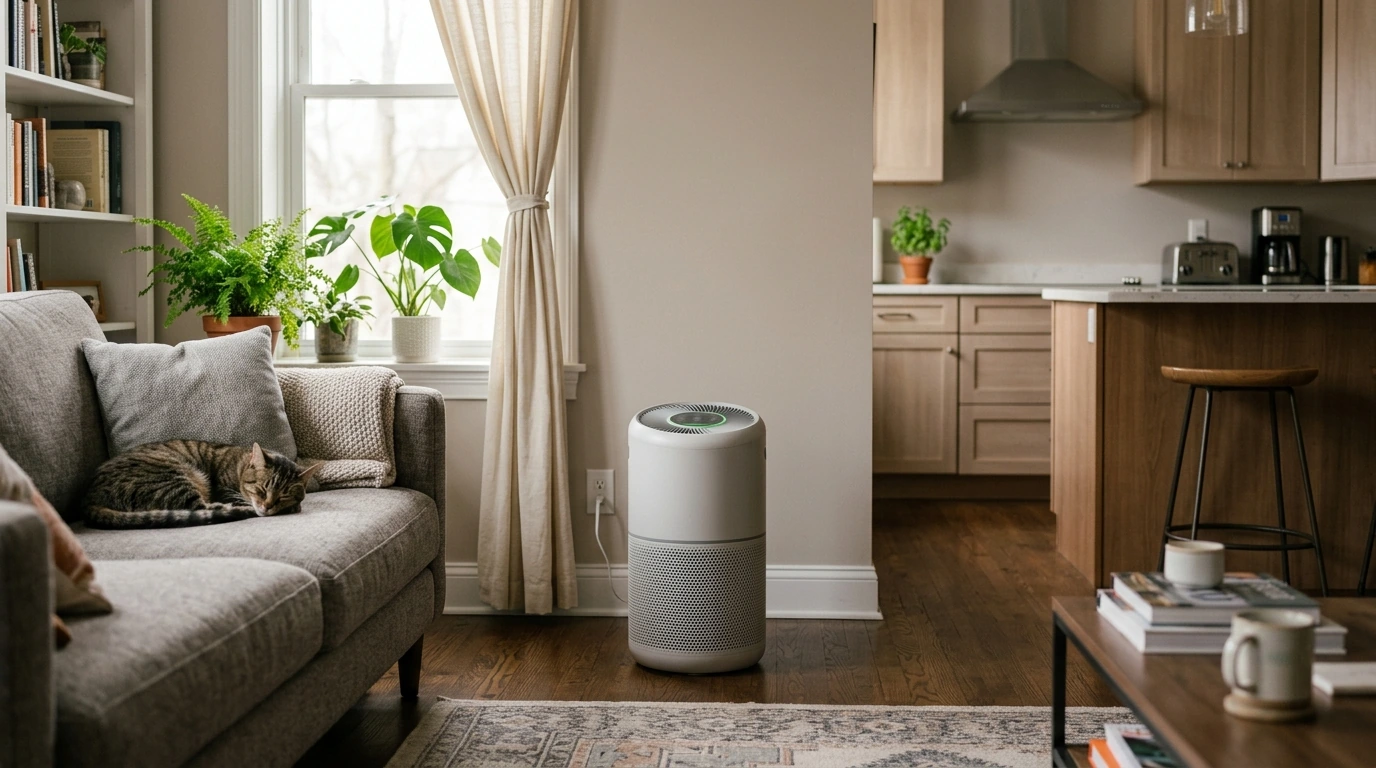
Advanced HEPA & Activated-Carbon Air Purifier for Cleaner Air at Home
Cleaner indoor air comes down to two jobs: capturing tiny airborne particles and reducing stubborn odors and gases. Our Advanced HEPA & Activated-Carbon Air Purifier is built to do both—pairing high-efficiency particle filtration with activated carbon for everyday air quality challenges like dust, pollen, pet dander, cooking smells, and smoke. Use this guide to decide where it fits best, how to run it for noticeable results, and what to expect from HEPA + carbon filtration in real homes.
What “HEPA + activated carbon” actually covers
HEPA and activated carbon handle different parts of the air-quality puzzle. When you understand what each stage is designed to do, it’s easier to choose the right room, the right runtime, and the right expectations.
- HEPA filtration targets airborne particles—think pollen, dust, dander, and fine particulate matter—by trapping them in dense filter media rather than masking the issue with fragrance.
- Activated carbon focuses on odors and certain gases by adsorbing molecules onto a porous carbon surface; it’s a practical choice for kitchens, pet areas, and “stale room” smells.
- Together, the pairing balances air cleaning: particles (HEPA) plus odor/VOC reduction support (carbon).
- Placement matters as much as filtration: running the purifier in the room where pollutants are produced (cooking, litter area, sleeping) delivers the most noticeable improvement.
HEPA vs. Activated Carbon: What Each Filter Type Helps With
| Air issue | HEPA helps with | Activated carbon helps with | Common room examples |
|---|---|---|---|
| Dust & lint | Yes—captures airborne particles | No—doesn’t target particles | Bedrooms, living rooms, hallways |
| Pollen & seasonal allergens | Yes—reduces airborne allergen load | Limited—may reduce some odor-related irritants | Bedrooms, nurseries, home offices |
| Pet dander | Yes—captures floating dander | Helps with pet odors | Pet sleeping areas, family rooms |
| Cooking odors | Helps with smoke/grease particles | Yes—reduces lingering odor molecules | Kitchens, open-plan living spaces |
| Smoke smell | Helps with particulate portion | Yes—helps with odor portion | Living rooms, basements, apartments |
Who this purifier is a strong fit for
If you’re trying to improve day-to-day air quality (not just cover it up), HEPA + carbon is a practical combo in a wide range of homes.
- Allergy and dust-sensitive households that want ongoing particle reduction rather than quick “spray-and-forget” masking.
- Pet owners managing both dander and odor—especially in rooms where pets spend the most time.
- Homes with open kitchens or frequent cooking where odors travel into adjacent spaces.
- Apartment and condo living where outdoor air, hallway smells, or neighboring odors can drift indoors.
- Bedrooms and home offices where comfort, focus, and consistent air quality matter day-to-day.
If your home has a dedicated pet corner, pairing the purifier with a cozy “home base” can help concentrate shedding to one area. Our team often suggests setting up a consistent pet zone using something like the Cute Cat House with Rotating Turntable Toy, then placing the purifier nearby (not inside the enclosed space) to keep airflow effective.
Setting it up for results: placement and daily run habits
Air purifiers work best when you treat them like a steady household appliance—not an emergency button you press only when the room already feels off.
- Start where you spend the most hours: bedrooms are often the best first room because overnight air quality affects comfort the next day.
- Give airflow room: keep intake and exhaust clear of walls, curtains, and furniture so air can circulate through the filter instead of around it.
- Use steady, not sporadic, operation: consistent runtime typically delivers better baseline air quality than short bursts after the room already feels “stuffy.”
- Match runtime to the problem: for odor-prone zones (kitchen, pet corner), run during and after the source activity; for allergen-prone zones, keep a regular schedule during high-allergen seasons.
- Pair with good basics: vacuuming, controlling humidity, and minimizing indoor smoke sources make any purifier more effective over time.
For day-to-day routines, small changes add up. Keeping a handwashing station stocked encourages quicker cleanup after cooking or pet care; a simple upgrade like our 500ml Glass Soap Dispenser Bottle makes it easier to stick with the habit.
What to expect (and what not to expect) from a HEPA + carbon purifier
If you want deeper context on home air cleaning and airflow basics, we recommend these references: U.S. EPA — Guide to Air Cleaners in the Home, CDC — Improving Ventilation in Your Home, and AHAM — Air Cleaner Standards (CADR).
Filter care and replacement planning
Common home scenarios and how to use the purifier effectively
FAQ
Does activated carbon remove smoke and cooking smells?
Activated carbon can reduce many odors and some gases, while HEPA captures the particulate portion of smoke and cooking residue. For the most noticeable results, run the purifier close to the source during and after cooking or smoke exposure, and keep up with timely filter replacement.
Will a HEPA air purifier help with pet allergies?
HEPA filtration can reduce airborne pet dander and other allergens that circulate through a room. You’ll generally get better results with consistent runtime, regular vacuuming, and keeping the purifier in the room where your pet spends the most time.
Where should an air purifier be placed for best performance?
Place it in the room where you have the highest exposure—often the bedroom, a pet area, or a kitchen-adjacent space—with clear airflow around the intake and exhaust. Proximity to the pollutant source and unobstructed circulation help the purifier process more of the room’s air.












Leave a comment